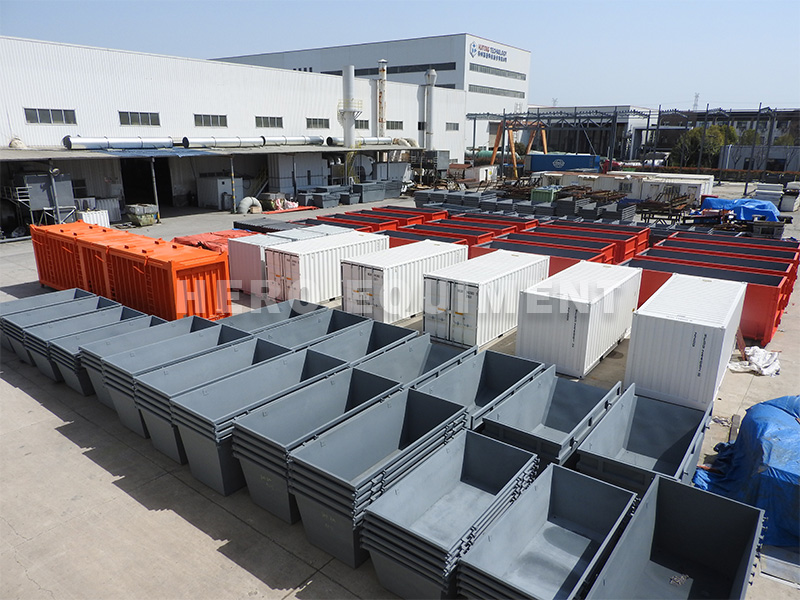
When it comes to managing waste effectively in industrial settings, choosing the right skip bin is crucial. An industrial skip bin is not just a container for waste; it’s a vital component of your waste management strategy, impacting efficiency, safety, and compliance. With a variety of sizes, materials, and features available, selecting the perfect skip bin can seem daunting. This comprehensive guide will walk you through the essential factors to consider, ensuring you make an informed decision tailored to your industrial needs.
1. Assess Your Waste Generation
Understand the Type of Waste
The first step in choosing the right skip bin is to evaluate the type of waste your industrial processes generate. Different waste streams require different skip bin solutions:
General Waste: Non-hazardous waste such as paper, cardboard, plastics, and general debris.
Construction and Demolition (C&D) Waste: Includes concrete, bricks, wood, metals, and roofing materials.
Hazardous Waste: Substances that pose risks to health or the environment, such as chemicals, batteries, and certain paints.
Green Waste: Organic materials like leaves, branches, and grass clippings.
Estimate Waste Volume
Accurately estimating the volume of waste you generate helps determine the size of the skip bin you need. Consider both the daily and cumulative waste output over the rental period. Underestimating can lead to overflow and additional costs, while overestimating might result in unnecessary expenses.
2. Determine the Appropriate Size
Skip bins come in various sizes, typically measured in cubic meters. Common sizes range from 2 to 40 cubic meters, catering to different waste volumes and space constraints.
Small to Medium-Sized Bins (2-10 m³)
Ideal for: Small businesses, offices, or projects with limited waste generation.
Use Cases: General waste disposal, small construction sites, landscaping projects.
Large Bins (10-40 m³)
Suitable for: Industrial facilities, large construction projects, or extensive renovation works.
Use Cases: Bulk waste removal, C&D waste, industrial by-products.
Consider Space Availability
Ensure that the chosen skip bin size fits comfortably in the designated area without obstructing operations or posing safety hazards. Measure the space where the bin will be placed, considering height restrictions and accessibility for waste collection vehicles.
3. Choose the Right Material
Skip bins are constructed from various materials, each offering distinct advantages:
Steel
Durability: Highly robust and long-lasting, suitable for heavy-duty applications.
Security: Provides better security against theft and unauthorized access.
Maintenance: Requires regular maintenance to prevent rust and corrosion.
Plastic
Lightweight: Easier to handle and transport, reducing logistical challenges.
Weather Resistance: Resistant to moisture and UV rays, ideal for outdoor use.
Cost-Effective: Generally more affordable than steel bins.
Wood
Eco-Friendly: A sustainable option, especially if sourced from reclaimed materials.
Aesthetics: Can be customized for a more natural or rustic appearance.
Durability: Less durable than steel or plastic, requiring more frequent replacement.
Consider Your Needs
Select a material that aligns with your operational requirements, budget, and environmental considerations. For high-volume industrial waste, steel bins might be preferable, while plastic bins could suffice for smaller, less intensive operations.
4. Evaluate Additional Features
Modern skip bins come equipped with various features that can enhance functionality and safety:
Wheelsets and Handles
Facilitate easy movement and placement of the skip bin, especially in locations without mechanical lifting equipment.
Lid Options
Open Top: Allows for easy loading of bulky items but offers less protection against spillage and weather.
Closed Top: Provides better security and prevents debris from scattering, ideal for hazardous or fine-grained waste.
Rear Loading: Enables loading from the back, which can be more efficient for certain types of waste.
Locking Mechanisms
Enhance security by preventing unauthorized access, protecting valuable materials, and ensuring compliance with waste management regulations.
Weatherproofing
For outdoor storage, ensure the skip bin has adequate weatherproofing to protect contents and maintain structural integrity.
5. Consider Regulatory Compliance
Industrial waste management is subject to various local, state, and federal regulations. Ensure that the skip bin and waste disposal methods comply with all relevant laws:
Waste Classification
Properly classify your waste to adhere to disposal regulations. Hazardous waste requires specialized handling and disposal procedures.
Permits and Licenses
Check if you need any permits or licenses for waste storage and disposal, especially for large quantities or hazardous materials.
Environmental Regulations
Ensure that the waste disposal process aligns with environmental protection standards to minimize ecological impact.
6. Assess Rental vs. Purchase Options
Deciding between renting and purchasing a skip bin depends on several factors:
Rental Benefits
Cost-Effectiveness: Ideal for short-term or intermittent waste management needs.
Maintenance and Upkeep: The rental company handles maintenance, repairs, and replacements.
Flexibility: Easily upgrade or change bin sizes based on changing waste volumes.
Purchase Benefits
Long-Term Savings: Suitable for high-volume, consistent waste generation over extended periods.
Customization: Ability to customize the skip bin to specific needs.
Ownership: Full control over the asset and its usage.
Evaluate your long-term waste management plans and budget to determine the most cost-effective and practical option.
7. Research Reputable Suppliers
Choosing a reliable supplier ensures quality service and support throughout the waste management process:
Experience and Reputation
Look for suppliers with extensive experience in industrial waste management and positive customer reviews.
Range of Services
Ensure the supplier offers a comprehensive range of skip bin sizes, materials, and additional services such as waste collection, recycling, and disposal.
Safety and Compliance
Verify that the supplier adheres to all safety and regulatory standards, providing compliant and secure skip bins.
Customer Support
Opt for a supplier that offers responsive customer support, addressing any issues or inquiries promptly.
8. Calculate Total Costs
Understanding the total cost of skip bin usage helps in budget planning and avoiding unexpected expenses:
Rental Fees
Consider the daily, weekly, or monthly rental rates, including delivery and pickup charges.
Disposal Fees
Factor in the costs associated with waste disposal, which can vary based on the type and volume of waste.
Additional Services
Account for any additional services required, such as bin liners, cleaning, or special handling for hazardous waste.
Hidden Costs
Be aware of potential hidden costs, such as overfilling fees, late return penalties, or charges for excessive waste types.
9. Plan for Waste Segregation
Effective waste segregation can optimize recycling efforts and reduce disposal costs:
Separate Waste Streams
Designate separate skip bins for different types of waste (e.g., general waste, recyclables, hazardous waste) to streamline the recycling process.
Labeling and Signage
Clearly label each bin to ensure proper usage and compliance with waste segregation policies.
Training and Awareness
Educate staff on proper waste segregation practices to maximize efficiency and minimize contamination.
10. Ensure Safety and Accessibility
Proper placement and accessibility of skip bins are essential for safe and efficient waste management:
Location
Place skip bins in accessible locations that do not obstruct traffic flow or pose safety hazards to employees and equipment.
Loading and Unloading
Ensure sufficient space around the bin for easy loading and unloading, especially when using heavy machinery.
Security Measures
Implement security measures such as fencing or surveillance cameras to prevent unauthorized access and potential theft.
Conclusion
Choosing the right industrial skip bin involves a comprehensive evaluation of your waste management needs, operational requirements, and budget constraints. By assessing factors such as waste type and volume, bin size and material, additional features, regulatory compliance, rental versus purchase options, supplier reputation, total costs, waste segregation, and safety considerations, you can select a skip bin solution that enhances efficiency, ensures compliance, and contributes to a sustainable waste management strategy.
Investing time and effort into selecting the appropriate skip bin will not only streamline your waste disposal processes but also contribute to a safer and more environmentally responsible industrial operation.



 핸드폰
핸드폰
논평
(0)