Special containers, encompassing a wide range from shipping and storage containers to Intermediate Bulk Containers (IBCs), tank containers (ISO TANKs), and various industrial storage tanks, are critical assets in global logistics and manufacturing. Their longevity is paramount for operational safety, cost efficiency, and environmental compliance. Extending their service life requires a proactive, systematic, and multi-faceted maintenance strategy that addresses the unique challenges posed by their materials, operating environments, and the nature of the stored or transported contents. This article synthesizes best practices from industry expertise to outline a comprehensive maintenance framework.
Foundational Principle: The Imperative of Regular Inspection and Monitoring
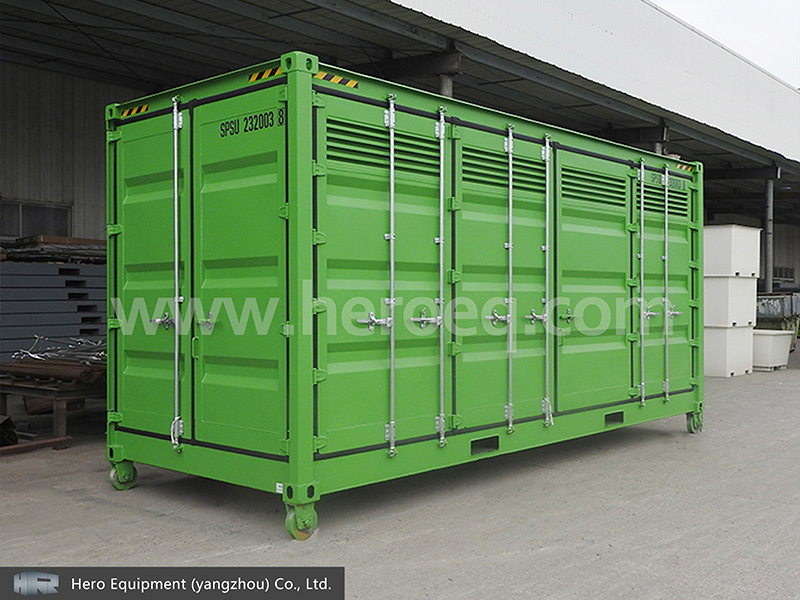
The cornerstone of any effective maintenance program is a rigorous and regular inspection schedule. For all types of special containers, periodic checks are crucial for identifying potential issues before they escalate into major failures. Inspections should be comprehensive, covering both the exterior and interior of the container. Key areas of focus include checking for signs of rust and corrosion, which are the arch-nemeses of steel containers, especially in maritime or humid environments. Structural integrity must be assessed for any dents, bends, or punctures that may have occurred during handling or transportation, as these can compromise the container's ability to withstand external forces. For containers with doors and seals, such as standard shipping containers, the functionality of hinges, locking mechanisms, and the condition of door seals are vital to maintain security and watertight integrity. Regular inspections allow for the early detection of problems like minor rust spots or seal degradation, enabling prompt intervention that can prevent costly repairs or catastrophic failure later.
Proactive Preservation: Cleaning, Corrosion Control, and Protective Coatings
Beyond inspection, proactive preservation measures are essential to shield the container from environmental and operational wear.
Cleaning is far more than an aesthetic concern; it is a fundamental preservation activity. Dirt, debris, and chemical residues can trap moisture, leading to accelerated corrosion and material degradation. The cleaning method must be tailored to the container's material and previous contents. For general purposes, manual cleaning with mild detergents and brushes is effective for plastic IBCs or containers that held non-hazardous materials. For more stubborn residues, such as viscous substances or oils, high-pressure water cleaning is highly effective for both plastic and steel containers, removing contaminants without the need for harsh chemicals. In industrial settings, particularly for tank containers (ISO TANKs) that transport chemicals or food-grade products, advanced methods like automated high-pressure water jet systems are employed. These systems provide 360-degree cleaning without dead angles, ensuring no residual contamination that could lead to cross-contamination or corrosion in subsequent uses. Proper cleaning also prepares the surface for other maintenance work, such as applying protective coatings.
Corrosion prevention is a continuous battle. For steel containers, applying protective coatings such as weather-resistant paints, rust inhibitors, epoxy, polyurethane, or fluorocarbon paints acts as a primary shield against the elements. The process is not a one-time application; it involves proper surface preparation, including removing old paint and rust down to bare metal, often through techniques like high-pressure washing and sandblasting to a specific standard (e.g., Sa2.5), before applying compatible primer and topcoat systems. In highly corrosive environments or for buried tanks, cathodic protection systems, such as sacrificial anode protection using zinc or magnesium alloys, provide an additional layer of defense by actively countering electrochemical corrosion.
Environmental and Operational Adaptation
The maintenance regimen must be dynamically adapted to the specific working environment and climate. Containers operating in humid coastal areas require intensified focus on rust prevention and ensuring proper ventilation to combat condensation. In colder climates, maintenance should address insulation and protection against freezing temperatures, which can cause material brittleness and damage from ice expansion. Seasonal adjustments are necessary; for instance, ensuring drainage paths are clear to prevent water pooling on flat roofs, which is a common cause of leaks in storage containers. For containers stored outdoors, protection from prolonged UV radiation is critical, especially for plastic components. Selecting containers with UV-stabilized materials or applying protective coatings can mitigate polymer degradation.
Operational practices also significantly impact longevity. Ensuring containers are placed on level ground prevents structural stress and warping over time. Proper handling during loading, unloading, and transportation to avoid overloading and improper securing is crucial to prevent structural damage. Educating staff on correct usage prevents operational abuse that leads to premature wear and tear.
Specialized Care for Critical Components and Systems
Different container types have unique components that demand targeted care. For IBCs and tank containers, the maintenance of valves, discharge mechanisms, and manhole covers is critical. Regular checks should ensure that valves operate smoothly, emergency handles function, and seals on openings are intact to prevent leaks. Ventilation is another key aspect often overlooked; proper airflow prevents the buildup of condensation inside enclosed containers, which can lead to mold, mildew, and internal corrosion. Installing or maintaining vents is a simple yet effective measure.
For containers with moving parts, such as door hinges on storage containers or latches on waste containers, regular lubrication with appropriate lubricants reduces friction, prevents rusting of these components, and ensures smooth operation. All fastenings, bolts, and nuts should be checked and tightened periodically to maintain structural integrity, especially in high-vibration or windy environments.
Adherence to Regulatory Compliance and Professional Oversight
For many special containers, particularly those classified as pressure vessels or transporting dangerous goods, maintenance is not optional but a legal and safety imperative. Containers like ISO TANKs, gas cylinders, and certain bulk containers are subject to strict periodic inspection and testing regimes mandated by national and international regulations. For example, tank containers (ISO TANKs) require annual inspections and more comprehensive periodic inspections every 2.5 to 5 years, depending on their safety rating. Pressure vessels have defined schedules for internal inspections, pressure tests, and thickness measurements.
Integrating these regulatory checks into the maintenance plan is essential. Furthermore, for complex systems or large-scale operations, scheduling periodic professional maintenance is advisable. Experts can conduct non-destructive testing, thorough internal inspections, and specialized repairs that go beyond routine care. Keeping detailed records of all inspections, cleaning, repairs, and coating applications creates a valuable history for assessing the container's lifespan and planning future maintenance.
Conclusion: A Culture of Continuous Care
Extending the life of special containers is not achieved through a single action but through cultivating a culture of continuous and preventive care. It is a holistic process that intertwines diligent inspection, proactive cleaning and preservation, intelligent adaptation to environmental challenges, meticulous care of specialized components, and unwavering commitment to safety standards. By implementing these integrated maintenance practices, organizations can transform their containers from disposable assets into durable, reliable, and cost-effective pillars of their operational infrastructure, ensuring safety, efficiency, and sustainability for years to come.



 핸드폰
핸드폰
논평
(0)